
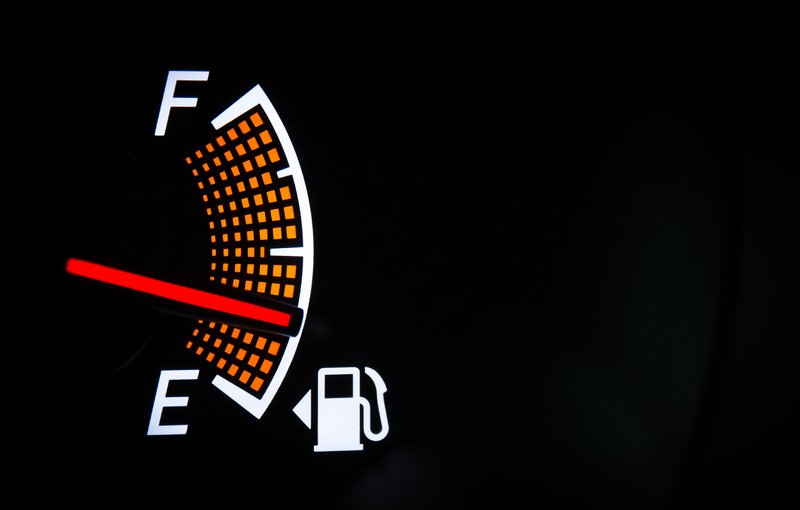
Remember that feeling when you fill up your gas tank and wince at the total? Or the constant calculation of whether that weekend trip isreallyworth the fuel costs? I get it. We all want to enjoy our lives, explore, and, you know, actuallygoplaces without feeling like our bank account is emptying faster than our gas tank. I’ve been there, constantly stressed about the cost of commuting and running errands. But over time, I’ve figured out some sneaky ways to keep those gas bills down, all without sacrificing my driving habits. It's not about changing your lifestyle, it's about optimizing it.
What are some easy ways to improve fuel consumption?
Okay, so the backstory. I used to think the only way to save on gas was to drive less. Obvious, right? But with a demanding job and a family that loves weekend adventures, staying put just wasn’t an option. So, I started researching. Turns out, there’s a whole world of small tweaks that can add up to big savings without cramping your style. It’s like finding hidden discounts you didn’t even know existed!
One of the first things I tackled was my driving style. I know, I know, it sounds boring, but hear me out. Aggressive driving – you know, the rapid acceleration, hard braking kind of thing – guzzles fuel. I started focusing on smoother acceleration and anticipating stops. Think of it like this: imagine you have a cup of coffee in your car; you want to drive in a way that you won't spill a drop. It seems small, but maintaining a consistent speed and avoiding sudden stops makes a tangible difference. Cruise control, when appropriate, became my best friend on the highway. I'm not saying become a grandma driver, but adopting a more relaxed approach really helps.
Another thing I discovered was the importance of vehicle maintenance. Properly inflated tires are huge. Low tire pressure increases rolling resistance, which means your engine has to work harder to move the car, burning more fuel in the process. I check my tire pressure at least once a month, and before any long trips. It's a quick and easy task that pays dividends. Speaking of maintenance, regular oil changes are also key. Clean oil keeps your engine running smoothly and efficiently, which translates to better fuel economy. It's easy to neglect these things, but the long-term benefits are significant. Plus, a well-maintained car is generally a happier car (and a less expensive one in the long run!).
Beyond the practical aspects, I also started paying more attention to my route planning. Using navigation apps to find the most efficient routes, even if they’re slightly longer, can save time and fuel by avoiding traffic congestion. Sitting in bumper-to-bumper traffic is a fuel killer. And while it might seem obvious, combining errands into a single trip can make a surprisingly big difference. Instead of making multiple short trips throughout the week, I plan one longer trip to tackle everything at once. This reduces the number of cold starts, which are less fuel-efficient than driving a warmed-up engine.
The result? I’ve consistently seen a noticeable drop in my gas expenses, without changing where I go or what I do. It's like I unlocked a hidden level in the fuel-efficiency game! I spend less money at the pump, and I also feel better knowing I’m being a bit kinder to the environment. It’s a win-win. And honestly, it's empowering to feel in control of something that often feels like a completely uncontrollable expense.
How do I reduce fuel costs without changing cars?
This is a great question, and one I get asked often. The good news is that you don’tneeda fancy new hybrid or electric car to improve your gas mileage. As I mentioned earlier, simple adjustments to your driving habits can make a world of difference. Beyond that, think about lightening the load in your car. Do you have a bunch of unnecessary stuff cluttering up your trunk? Extra weight burns extra fuel. Take a few minutes to declutter and lighten the load. You might be surprised at how much difference it makes.
Also, consider your speed. While it's tempting to zip down the highway, excessive speed significantly reduces fuel efficiency. Most cars are most efficient at speeds between 50 and 60 mph. Once you exceed that, fuel consumption increases dramatically. It’s a trade-off between time and money, but it’s worth considering, especially on longer journeys. And finally, look into fuel additives designed to improve fuel economy. While the effectiveness of these products varies, some have been shown to improve mileage by a small percentage. Do your research and choose a reputable brand, but even a small improvement can add up over time.
Why does tire pressure matter for fuel economy?
Think of it like this: an under-inflated tire has more contact with the road, creating more friction. That friction requires more energy from your engine to overcome, which translates to using more gasoline. Maintaining proper tire pressure, as recommended by your car manufacturer (usually found on a sticker inside the driver’s side door or in your owner's manual), ensures that your tires roll more freely, reducing rolling resistance and improving fuel efficiency. It's a simple act of maintenance that has a surprisingly significant impact. Plus, properly inflated tires also improve handling and extend the life of your tires, saving you money in the long run. So, it's really a triple win: better gas mileage, improved safety, and longer-lasting tires. It's a no-brainer!
So, where do we go from here? Well, hopefully, I’ve given you a few ideas to chew on. You don’t have to implement everything at once. Maybe start with checking your tire pressure this weekend, or consciously focus on smoother acceleration during your commute. The key is to find what works for you and integrate those habits into your routine. It’s not about deprivation, it’s about making smart choices that add up to real savings. And who knows, maybe those savings will fund your next adventure!