
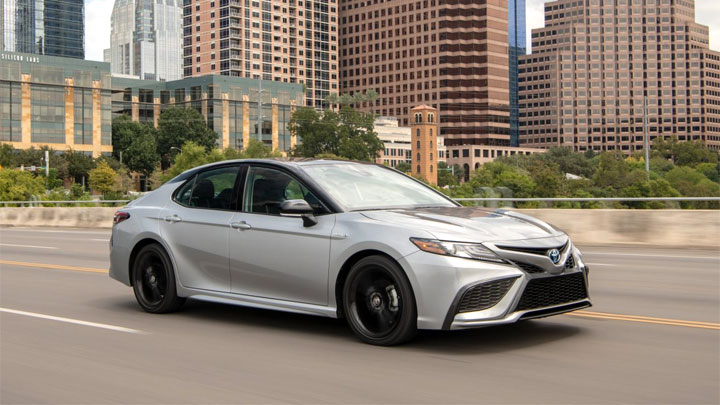
Ever feel like you're spending more time stuck in traffic than actuallygoinganywhere? And watching the gas gauge drop faster than the stock market? City driving can be brutal, not just on your patience, but on your wallet. Maybe you've started to wonder if there's a better way... a quieter, smoother, and, dare we say,greenerway to navigate the urban jungle. That's where hybrid cars come in. But are theyreallythe answer? Let's explore what you should consider before making the switch and becoming part of the electric evolution (or at least, apartiallyelectric one).
Things to Consider Before Purchasing a Hybrid
Let's imagine a scenario: you're tired of the constant stop-and-go, the fumes, and the expense of filling up your gas guzzler every few days. You've been eyeing those sleek, efficient hybrids, picturing yourself gliding silently through the streets. It sounds appealing, doesn’t it? The idea of saving money on fuel, reducing your environmental impact, and enjoying a quieter ride is definitely attractive. However, jumping into the hybrid world requires a bit of research. It's not as simple as just picking the prettiest one on the lot. You need to consider your driving habits, your budget, and what you truly need from a vehicle.
A critical aspect to consider is the type of hybrid. You have mild hybrids, full hybrids, and plug-in hybrids (PHEVs). Mild hybrids offer some electric assistance to the gasoline engine but can’t drive solely on electric power. Full hybrids, on the other hand, can operate on electric power alone for short distances and at lower speeds, which is perfect for city environments. PHEVs have a larger battery pack that can be charged from an external source, allowing for longer electric-only ranges, potentially covering most of your daily commute. Understanding these differences is crucial for selecting the right model for your specific needs. Someone mostly taking shorter trips around town might benefit the most from a full hybrid or PHEV.
Furthermore, think about the cost. Hybrid cars often have a higher upfront price than their gasoline-only counterparts. You need to calculate whether the long-term fuel savings and potential tax incentives will offset this initial investment. Running cost comparisons considering factors like maintenance, battery replacement, and insurance premiums can provide a clearer picture of the overall affordability. Don't forget to factor in the potential resale value – hybrids generally hold their value well due to their fuel efficiency and increasing demand.
Another crucial element is understanding how hybrids perform in city driving. Hybrids excel in stop-and-go conditions because their regenerative braking system captures energy that would otherwise be lost as heat and uses it to recharge the battery. This is especially advantageous in urban areas where you spend a significant amount of time idling or crawling through traffic. The electric motor provides instant torque, resulting in quicker acceleration and a smoother driving experience. However, keep in mind that the electric range of most hybrids is limited, so if you frequently take long trips outside the city, a standard gasoline car or a plug-in hybrid might be a better option.
Beyond the technical specs, consider the overall driving experience. Test drive different hybrid models to see which one feels the most comfortable and responsive to you. Pay attention to factors like cabin noise, seat comfort, and the ease of use of the infotainment system. Also, consider the size and maneuverability of the car. A smaller, more compact hybrid might be easier to navigate through crowded city streets and park in tight spaces. Remember, you'll be spending a considerable amount of time in your car, so it's essential to choose one that you enjoy driving.
Choosing a hybrid is not just about saving money at the pump (although that's a significant perk!). It's about embracing a more sustainable lifestyle and reducing your carbon footprint. Every mile you drive on electric power contributes to cleaner air and a healthier environment. It’s about driving cleaner and greener.
###*How do I maximize my hybrid’s fuel efficiency in the city?
One of the biggest advantages of driving a hybrid is fuel economy. However, to really reap the benefits, you need to be mindful of your driving habits. Gentle acceleration and smooth braking are key. Avoid aggressive starts and stops, as these can drain the battery quickly. Utilize the regenerative braking system by anticipating stops and slowing down gradually. The slower the slowdown, the more efficient the energy recapture. Maintain a consistent speed and avoid unnecessary idling. Also, make sure your tires are properly inflated, as underinflated tires can increase rolling resistance and reduce fuel efficiency. Finally, consider using the "eco" mode, if your hybrid has one, as this will optimize the car's performance for maximum fuel economy. This usually means less aggressive acceleration. And of course, remove any unnecessary weight from the car!
###*Are hybrid batteries reliable, and what happens when they need replacing?
Hybrid batteries have come a long way in terms of reliability. Modern hybrid batteries are designed to last for many years and miles. Most manufacturers offer warranties of at least eight years or 100,000 miles on their hybrid batteries. However, like any battery, they will eventually degrade over time. When the time comes to replace the battery, it can be a significant expense. However, battery prices have been decreasing in recent years, and there are often options for refurbished or remanufactured batteries, which can be more affordable. You can usually find repair shops with expertise in hybrid battery replacement. It's also worth noting that many hybrid batteries can be partially recycled, reducing their environmental impact. Don't wait to get your battery checked if you notice a significant drop in your fuel economy or the car displays a battery warning light.
###Should I buy a new or used hybrid for city driving?
The decision to buy a new or used hybrid depends on your budget and priorities. A new hybrid will come with the latest technology, a full warranty, and the peace of mind of knowing that you're the first owner. However, it will also have a higher price tag. A used hybrid can be a more affordable option, but it's essential to do your research and inspect the car thoroughly before making a purchase. Check the battery health, review the maintenance records, and take it for a test drive to assess its performance. Consider getting a pre-purchase inspection from a qualified mechanic to identify any potential issues. If you opt for a used hybrid, look for models with a proven track record of reliability and avoid those with high mileage or a history of accidents. Used hybrids can offer excellent value for money if you do your homework. Ultimately, the best choice depends on your individual circumstances and risk tolerance.
So, there you have it – a little food for thought before you dive headfirst into the world of hybrid cars. Remember, the right choice depends on your individual needs and priorities. Take your time, do your research, and choose the hybrid that best fits your lifestyle.
Now that you’ve explored the world of hybrids, consider this:what's one small step you can take this week to make your driving more fuel-efficient, whether you're behind the wheel of a hybrid or not? Maybe it's as simple as checking your tire pressure or planning a more efficient route to work. Small changes can make a big difference, both for your wallet and the planet. Happy driving!